Mittwoch, 6. März 2013

Évaluation et Développement Durable


ITIL ®V3 (IT Service Management)
PRINCE2 ® (Projects in Controlled Environments)
Agile Management Innovations
Business Informatics - Diplom-Ingenieur
Informatikmanagement - Mag. rer. soc. oec
Wirtschaftsinformatik - Bakk.rer. soc. oec
Social Science - DEUG


Les Objectifs du Millénaire pour le développement (OMD) consistent en huit objectifs que les États membres de l’ONU ont convenu d’atteindre d’ici à 2015.
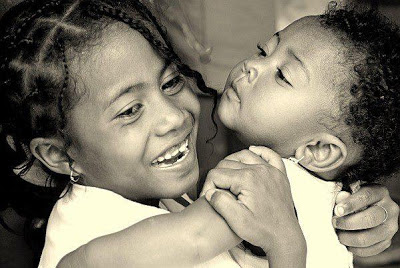


Ces Objectifs  sont contenus dans la déclaration du Millénaire, signée en septembre 2000, au siège des Nations unies à New York.

Les Objectifs du millénaire pour le développement (OMD) visent à combattre la faim et la pauvreté, à préserver l’environnement, à améliorer l’accès à l’éducation et à la santé, à promouvoir l’égalité entre les hommes et les femmes, et à mettre en place un partenariat mondial pour le développement.


Ces  8 objectifs sont:
1. Réduire l’extrême pauvreté et la faim
2. Assurer l’éducation primaire pour tous;
3. Promouvoir l’égalité des sexes et l’autonomisation des femmes
4. Réduire la mortalité des enfants de moins de 5 ans
5. Améliorer la santé maternelle
6. Combattre le VIH/SIDA, le Paludisme et d’autres maladies
7. Assurer un environnement durable
8. Mettre en place un partenariat mondial pour le développement


Malheureusement, malgré les efforts des uns et des autres ces Objectifs du millénaire pour le développement (OMD) sont  remis en cause. La crise financière ou économique pèse lourdement sur l'aide publique au développement. Cependant, des efforts se multiplient. De nouvelles organisations de bienfaisance émergent.


Pourtant on risque de ne pas les atteindre. Les derniers coups de projecteur des actualités sur ces Objectifs du millénaire pour le développement (OMD) mettent en évidence sa fragilité. De vrais progrès sont accomplis. Par exemple, l’accès au traitement contre le VIH dans les pays à faibles ou moyens revenus a été multiplié. De nombreuses innovations dans le secteur du développement durable se multiplient . Des financements innovants se mettent sur place.


Financements&programmes innovants
 Autres mécanismes
Loterie Mondiale ou « loterie humanitaire »
Alliance pour l'avenir des villes
Programme d'alimentation en eau et d'assainissement
Programme d'assistance à la gestion du secteur énergétique
Reconstruire après les guerres et les catastrophes naturelles


En général, les zones rurales constituent la majorité des populations les plus pauvres. La pauvreté recule   globalement dans le monde, mais de manière inégale, selon les régions. Pourtant, á deux ans de l'échéance, les Objectifs du millénaire sont loin d'être atteints.

Ainsi  une approche plus pragmatique de la situation se dessine.  Il s´agit  d´un manque d´accés aux infrastructures sociales, publiques, économiques et culturelles locales, adéquates  pour tous.
Pour comprendre les effets  de ce manque sur les Objectifs du millénaire pour le développement, il nous faut comprendre le quotidien social et public des plus pauvres, et de sortir des expériences du passé  pour redonner un autre sens á ces Objectifs.

Il convient ainsi de mettre sur place, et surtout sur le terrain des engagements, des projets ou des programmes plus adaptés, des actions individuelles, collectives plus adaptées et des décisions plus adaptées   etc.


Quelques difficultés quotidiennes que traversent les plus pauvres….
Domaine
Difficultés quotidiennes
Alimentation
Mauvaise ration alimentaire, dénutrition, problème de ressources vivrières
difficultés d'accès aux soins de santé, au logement, à un approvisionnement en eau potable, à l'hygiène et au combustible, naissances précoces, faim chronique, réserves alimentaires maigres,
prix de la nourriture élevés, apport énergétique plus élevé, capacités et les moyens de mortalité infantile  très  élevé, maladies répandues, familles pauvres, insécurité alimentaire, pauvreté permanente
Santé
Capacités et les moyens élevés de mortalité due à des maladies telles que la dénutrition, paludisme, des infections, tuberculose, pneumonie, méningite, hépatite et diarrhée etc. Capacités et les moyens de mortalité élevée provoquée par des maladies courantes chez les enfants, situation sanitaire dégradante, population pauvre est loin d'avoir accès au bien-être social et public, manque d'hygiène , pas d´accès au centre de santé à cause de faible niveau de revenu, des centres de santé manquent de personnel qualifié et d'équipement adéquat, villages sans dispensaires, accomplissement de longs trajets pour se faire soigner.
Education
Manque d'instruction, pas d´accès à l'école, faible capacité d'accueil des écoles, école, même gratuite, est inabordable pour certaines familles et  certains parents, des familles se heurtent au problème que pose l'achat des uniformes, des livres de classe et autres fournitures, analphabétisme quasiment général, Chefs de famille  ne savent ni lire ni écrire, école rudimentaire, dépourvue de tout matériel et incapable de faire face au besoin de la population
Routes
Routes bitumées sont encore rares, ainsi que les chemins de fer, des voies argileuses, sablonneuses, soumises aux caprices des saisons, les routes en terre battue ou en latérite sont souvent un casse-tête, inexistence de nombreux ponts, routes bitumées se dégradent rapidement, difficultés d´accès aux infrastructures socio publiques
Eau
Difficultés d’accès à l’eau potable et des problèmes de salubrité publique.


La prise de conscience des problèmes sociaux à l’échelle planétaire, chômages grandissants violences politiques, insécurité sociale, corruptions, réchauffement climatique va surtout conduire aux initiatives politiques du développement, de protection et de gestion durable des ressources, et surtout au développement des infrastructures économiques, sociales, publiques et culturelles entraînant un changement en profondeur dans le vécu quotidien et social des plus pauvres.

Néanmoins, les solutions politiques, économiques, culturelles, sociales et techniques préconisées montrent leurs limites. Ces solutions ne sont pas appliquées partout à la même échelle.

Dans le secteur des infrastructures économiques, sociales, publiques et culturelles, on constate un écart grandissant entre les pays développés et les pays en développement. Cet écart laisse á croire qu’une partie du monde accorde un moindre intérêt à la question d´accès  pour tous aux infrastructures sociales, économiques, publiques et culturels qui sont les socles de tout développement durable d´un pays  et d´un continent. 

Au sud, en particulier, les investissements dans le développement des infrastructures sociales, économiques, publiques et culturelles se retrouvent souvent au milieu d’intérêts divergents tendant à opposer développement et bien-être social. On assiste souvent á un blocage du progrès social, de l’épanouissement et du bien-être des plus pauvres....


Les Objectifs du millénaire pour le développement ne semblent plus porter l’espoir du bien-être social, car le mythe du progrès social paraît caduc aux plus optimistes, quand les faits viennent contredire les déclarations de bonnes intentions. Ainsi les repères du bien-être pour tous disparaissent.

Cette situation  donne  une vision que les plus pauvres sont  presque exclus des programmes et projets de développement durable,  et  sont surtout quotidiennement livrés á leur propre destin.

Des investissement se voulant plus vertueux en infrastructures socio culturelles et  le transfer de ses connaissances  se positionnent comme des solutions plus efficaces pour mieux répondre aux grands enjeux et obstacles des  Objectifs du millénaire pour le développement (OMD).

«Les investissements requis pour développer et moderniser l'infrastructure des pays en développement sont énormes. Le secteur public ne peut pas à lui seul les financer. Il faut pour cela faire appel à des capitaux privés, mais aussi inscrire l'affectation de ces ressources par l'État dans un cadre politique et réglementaire solide. Les pouvoirs publics ne pourront y parvenir qu'en définissant les mesures et les règlements qui conviennent. La mise en place de partenariats entre les secteurs privé et public peut faire avancer le processus et stimuler l'esprit d'entreprise»  déclara Nemat Shafik, Vice-président Développement du secteur privé et infrastructure de la Banque mondiale.


Et Benjamin Steck, directeur du Centre interdisciplinaire de recherche sur les mobilités (CIRTAI) au Havre rappella que «Tant que l’Afrique subsaharienne ne disposera pas d’un réseau de transport digne de ce nom, il est presque inutile de parler de développement».


L’incertitude vient de la mise à mal et des difficultés de compréhension des valeurs d´accés aux infrastructures sociales, publiques, économiques et culturelles adéquates pour tous,  et aussi de la complexité croissante des Objectifs du millénaire pour le développement (OMD) dans laquelle nous sommes enserrés. Surtout  des investissements pour l´accés pour tous aux infrastructures sociales, économiques, publiques et culturelles  adéquates semblent être écartés.

Contrairement à toute attente, la négligence du développement des infrastructures sociales, économiques et culturelles dans les zones rurales comme urbaines  comme moteurs des Objectifs du millénaire pour le développement (OMD) rend de plus en plus ses attentes plus compliquées.

En étudiant les problèmes auxquels les Objectifs du millénaire pour le développement – sont confrontés, l´évaluation agile accorde  la priorité aux infrastructures économiques, politiques, sociales, publiques, culturelles et environnementales  essentielles qui favorisent l’emploi, le progrès social et qui déterminent une croissance économique durable.

Plus précisément, l´évaluation agile accorde la priorité aux infrastructures économiques, politiques, sociales, publiques, culturelles et environnementales dans les secteurs du transport, du traitement des eaux et des eaux usées, de l’élimination de déchets solides et du réaménagement des sites industrielles, des routes principales du réseau routier urbain et rural pour parvenir rapidement aux Objectifs du millénaire pour le développement.


Quelques catégories d'infrastructure de base dans lesquelles il faut investir pour parvenir rapidement aux Objectifs du millénaire pour le développement…
Eaux et agriculture
Systèmes de traitement de l'eau potable, distribution de l'eau potable,  construction des pompes á eaux potables dans les zones rurales, irrigation des champs et les engrais, modernisation  des pratiques  agricoles, meilleur accès au crédit agricoles, développement des technologies agricoles etc..
Eaux usées
Réseaux de collecte des eaux usées, installations et systèmes de traitement des eaux usées, séparation d'égouts unitaires, contrôle de trop-plein d'égout, collecte des eaux pluviales, traitement des eaux pluviales,
Transport
Réseaux de transport urbain,  réseaux de transport rural, rail, autobus, autobus, autorail, traversiers, véhicules de transport adapté, la gestion de parc de véhicules, la signalisation prioritaire pour le transport en commun, les systèmes d'information en temps réel dans les gares et aux arrêts, voies d'évitement, voies réservées aux autobus, voies pour tourner.
Routes
construction des  autoroutes, voies pour tourner, voies réservées aux camions, sauts de moutons, échangeurs, carrefours giratoires, haltes
routières, installations d'autoroute et de pont, transports et  sécurité routière,
améliorations liées à la sécurité, transport intelligent etc.
Énergie
transmission et distribution d'énergie propre, infrastructure pour l'hydrogène,  production, distribution et entreposage, central de ravitaillement pour véhicules et autres usages (gaz, pétrole, diesel etc.), système énergétique collectif, énergie éolienne, énergie solaire, amélioration de rendement énergétique dans les édifices municipaux etc.
Déchets
Détournement des déchets, recyclage, fabrication de compost, digestion anaérobie, élimination des déchets, traitements thermiques incluant la gazéification.
Captage du gaz d'enfouissement.
Assainissement et réaménagement
Aménagement des sites municipaux de décharge, construction d'infrastructures publiques, parcs publics municipaux et de logements sociaux
Connectivité
Réseau de hautes performances, point de connexion au réseau.
Distribution locale, capacité de transmission par satellite, distribution dans les zones rurales.
Culture
Musées, centre d´épanouissement, centre d´apprentissage et de formation,  centre d’échange de connaissances, centre social, réservation de sites patrimoniaux, bibliothèques et services d'archives à la charge de l'administration, équipements collectifs voués à la création, la production, la présentation et la diffusion des arts, infrastructure à l'appui de la création de secteur culturel dans un centre rural.
Catastrophes
Réorientation, modification, amélioration ou réinstallation de l'infrastructure publique, construction, adaptation ou renforcement des structures dans le but d'empêcher, de prévenir et d'atténuer les dommages matériels causés par les désastres naturels et les effets du changement climatique
Pistes rurales
Amélioration et réfection du réseau routier dans les zones rurales, transport rural,  structures d'échangeurs, ponts, tunnels, intersections et carrefours giratoires, trottoirs, les voies réservées aux bicyclettes, les pistes cyclables, les sentiers ruraux, pédestres et à usage multiple
Chemins de fer
Construction de chemin ferroviaire, gare,  entretien régulier des voies ferrées, voyages sécuritaires, Construction, restauration et modernisation des voies ferrées et des structures existantes, construction, développement ou modernisation des installations dans le but d'améliorer l'échange de marchandises entre les modes de transport, Mise en place des services technologiques et achat d'équipement pour améliorer l'échange de marchandises entre les modes de transport
Transport maritime
Construction, développement ou modernisation des installations des terminaux portuaires ou de transbordement, équipements immobilisés pour le chargement et le déchargement requis au développement du transport maritime, Technologie et équipement nécessaires à l'amélioration des zones entre les modes de transport maritime, ferroviaire et routier, incluant les systèmes de transport
Aéroports
Développement, amélioration, restauration de l'infrastructure aéronautique ou non aéronautique, matériel de sécurité pour les pistes, les voies de circulation, les aires de circulation, les hangars, le balisage lumineux, l'équipement d'aide à la navigation aérienne, les abris pour l'entretien, l'équipement lourd côté piste et les bâtiments connexes, aérogare et ville, les ports intérieurs, les aires de stationnement, le  matériel lié aux activités commerciales et industrielles.
Tourisme
attractions rurales et urbaines, centres de congrès, installations de type salles d'exposition,  fêtes traditionnelles, sport traditionnels


Conclusion


La création des emplois, les aides sociales, les aides au développement, les réformes institutionnelle,  la promotion de la démocratie, le renforcement des capacités, la multiplication des innovations, la promotion de l´égalité entre les hommes et les femmes, la mise en place  des programmes en appui au pilotage etc. ne garantissent pas absolument les Objectifs du millénaire pour le développement (OMD) aussi longtemps que l´accés pour tous aux infrastructures sociales, économiques, publiques, et culturelles  de base ne fait pas parti des activités primaires de chaque Objectif du millénaire pour le développement (OMD).

Mettre un accent particulier sur le quotidien privé, social et public des plus pauvres serait un grand atout pour comprendre,  intégrer le développement,  l´accés pour tous  aux infrastructures sociales, économiques et culturelles au sein du mécanisme des Objectifs du millénaire pour le développement (OMD), « poumon » de toutes décisions et opérations des programmes et projets de développement durable.

Outre, l’évaluation agile á pour but de viser, de réduire les inégalités en infrastructures socio culturelles entre le Nord et le Sud et de cibler des actions  et des engagements pour l´accès aux  infrastructures économiques, politiques, culturelles, sociales et publiques de base aux populations les plus démunies.

Mettre  en place un  Portfeuille  «Millennium Infrastructures Challenge  Programme»  au sein du mécanisme des Objectifs du millénaire pour le développement (OMD) dans le but de promouvoir des investissements et des transferts de connaissances  pour  l´accès aux infrastructures économiques, politiques, culturelles, sociales et publiques de base  pour tous, et surtout  aux populations les plus démunies va accélérer les Objectifs du millénaire pour le développement.

Pour réussir  ce portfeuille il faut mobiliser toutes les forces d´aide au développement (gouvernement, communauté, organisation, ONG,  public, privé, université etc.).  Dans la vie, il n'y a pas des solutions. Il n'y a que des forces en marche: il faut les créer et les solutions suivent..., déclara Antoine de Saint-Exupéry,  Vol de Nuit.

Certainement, aucune société ne peut se développer durablement sans accès aux infrastructures économiques, sociales, publiques et culturelles adéquates qui affectent et cautionnent le vécu quotidien et social de ses citoyens.


Références
Auteur, Amouzou Bedi, contact sur linkedin. Je vais essayer de mettre à jour réguliérement ce document si besoin arrive. Si vous avez besoin d´une explication, ou si vous avez une suggestion concernant cet article, pardon, n'hésitez pas de me contacter. Je vous remercie.
Photos: FREE-KA-MOVE, l'Afrique en mouvement.

Samstag, 2. März 2013

Change Management and Knowledge for Development


ITIL ®V3 (IT Service Management)
PRINCE2 ® (Projects in Controlled Environments)
Agile Management Innovations
Wirtschaftsinformatik  - Diplom-Ingenieur
Informatikmanagement - Mag. rer. soc. oec
Wirtschaftsinformatik - Bakk.rer. soc. oec
Social Science - DEUG


Knowledge for development innovation is about change. It is about the production, the distribution and the delivery of the knowledge for development with the right knowledge format, and the supported sociocultural knowledge infrastructures at the right place and at the right moment into local knowledge management resources and potentials.


Knowledge for development practitioners,  public, private, non-profit and community organizations as well as professional associations should focus attention on the centrality of the problem of the access  to sociocultural knowledge infrastructures and the knowledge delivery format issues to actively manage, distribute, and to support in places  development changes that sustainable development  programmes and projects entail.


Knowledge for development practitioner, development communities, private and public development organizations etc. have to work closely together to build new knowledge for development that provide development policymakers with a broader understanding of local and international poverty issues. New knowledge for development must adresse the capacity enhancement activities in the fields of knowledge for development, community development and resources mobilization for knowledge for development´s  approaches.

The challenge is to make sure that, international community development, local, regional and national associations and networks of community development practitioners, organisations that work in and support community development initiatives, researchers and  academics, sustainable development activists, development policymakers at local, regional and national levels,  and anyone with a genuine interest in supporting sustainable community development approaches, in understanding  the current state of knowledge for development´s  approaches and the challenges to  the future of  knowledge development´s approaches management.

The success depends on the connection of people and development organisations to each other,  making the knowledge for  development more pragmatic,  and  more available in the right  knowledge´s format  and the sociocultural infrastructures that support the knowledge  everywhere.

The knowledge for development must call for endorsing partners, joining the network of knowledge for development with opportunities  to develop new  knowledge for development concepts and horizons, to participate in knowledge for development  research visits,  confrerences,  face-to-face  knowledge for development  learning events, to share knowledge for development  works and experiences with a global audience, through  website, ebulletins, newsletters,  local and regional knowledge for development learning and exachange centers, and other knwoledge for development channels (platform for knowledge for development institution’s project and programm meetings, workshops and seminars on knowledge for  development´s challenges, negotiation and collaboration  for new knowledge for  development´ challenges and concepts)..


Only, we can deeply tackle, ending Poverty with the right comprehensive development approaches. Poverty is a complex and variable phenomenon.  The pragmatic comprehension of poverty´s causes (the lacks of the access to the  efficient sociocultural infarstructures (physical infrastructures) and the related knowledge management and transfer (soft infrastructures) for poor people, and  the comprehension of the  poverty´s transformations processes in time and space are  absolute for making the Sustainable Development Policies more operational and effective...

To achieve this one we need pragmatic knowledge for development approaches that encourage, enable, and mobilizes  the access of the poor people to the  efficient sociocultural infarstructures (physical infrastructures) and the related knowledge management and transfer (soft infrastructures) wherever they are living....


In order to achieve maximum results from knowledge for development activities, Knowledge Management professional, development agencies and development communities must support an increased focus of knowledge network on ensuring the effective and innovative flow of knowledge for development within knowledge for development networks, development communities, public  and private organizations and with knowledge for development organizations and partners. The primary objective of the knowledge for developement  is to support the development organizations’ mission in efficient  mangement of knowledge for development  to eliminate poverty and promote share prosperity.

The knowledge for development is rooted in the culture of searching for  suitable alternative solutions to sustainable development issues. The right knowledge for development requires a shift in knowledge management culture and a fundamental re-organization of the way knowledge for development is produced, packaged, tested, delivered  and supported.... 


To reach this goal the access for all to the right sociocultural Knowledge for Development infrastructures that support everywhere this Knowledge is central and absolute. This means Knowledge for Development  and the supported sociocultural infrastructures should be available  in different  Knowledge format  for all at the right place and at  the right time.

Whatever the social, economic, politic solutions (project, program, evaluation, development aid, innovations, finances, technology etc.) poverty will continue to defy solutions as long as poor people do not get access to the right economic, social, public and cultural infrastructures (physical infrastructures) and the related knowledge management and transfer (soft infrastructures) that affect and endorse their daily lives and activities wherever they are...”,
Source: How Knowledge can Impact Development? 


Knowledge for Development becomes a key driver for sustainable development systems, and the access to knowledge must be generally considered as a key condition for innovative activities in our modern development industry.
 

Development communities as well as private and public sectors need to focus on new knowledge for development policies context as starting point to explore territorial and regional knowledge for development potentials, resources and dimension for the change including knowledge business.

A global concept must be used including knowledge for development product innovation, knowledge process innovation, sociocultural knowledge infrastructures innovation, knowledge format innovation, public and organizational knowledge for development innovation.

This Change must take into account the current knowledge for development state, patterns and potentials of nations and regions with respect to the knowledge and innovation development and identify new sustainable development opportunities through sociocultural knowledge infrastructures and knowledge for development format innovation...

This could be only happened through excellent knowledge networking event promoting the benefits of Knowledge for Development involvement in different knowledge format and sociocultural knowledge infrastructure networks. This could be the chance to gain new knowledge for development and the opportunities to exchange and develop new ideas and solutions for knowledge for development that corresponds to each development sector..


The success of knowledge for development program depends on the adoption among knowledge for development communities and target beneficiaries of new behaviours, commitments, dedications, willing to share, to learn, and to collaborate together in finding  suitable solutions for sustainable development challenges.

Knowledge for development practitioners, development communities and knowledge for development networking groups must put their efforts together to imagine how to find creative knowledge for development ideas, and to transform these ideas into a valuable  and useful knowledge for development that promotes and drives sustainable development around the world....

Therefore we must address the entire knowledge changes requirements (knowledge format, knowledge infrastructures etc.) that are going to be required and how we will implement them.


With the right evaluation, planning, organizational learning, collaboration, participation, networking and adaptation over time and space, knowledge for development organizations can improve their abilities to cope with and even anticipate the development change necessary to implement the next  suitable  knowledge for development innovations. This may include:


Changing for Development Communities

Knowledge for development innovation requires that knowledge for development producers should  imagine for in places communities something they can use and exploit for themselves.  This means knowledge for development producers must work hand in hand with local and international development communities to learn and to know about local and regional knowledge environment requirement, and to imagine how the new knowledge for development products and services that will be produced and delivered can solve a real problem in the life of the poor people....
 
Changing for Knowledge for Development  Behaviour

Knowledge for development innovation requires that knowledge for development practitioners should produce  and delivery practical  knowledge for development solutions and innovative knowledge for development formats.  This means new knowledge for development strategies and skills must be adopted. Knowledge for development staff must learn to support different, less and technical knowledge for development delivery strategies in different knowledge  formats. To achieve this effective knowledge  for development networking and partnerships in the development industry must be encouraged .


Changing in Knowledge for  Development Delivery

Knowledge for development innovations requires that knowledge for development suppliers and support should work hand in hand with development communities in new ways. Effective networking,  cooperation and collaboration is required.

Knowledge for development  must make drastic changes to respond and to support just-in-time and in space sustainable development programs and projects.  Therefore  collaboration and networking is necessary to source different knowledge for development components and formats at the higher volumes platform and shorter lead times required for  the successfully delivery of each knowledge for development package (available and access for all member of the target communities without restriction) at the target station.

This means finding, networking and collaboration with some new knowledge for development suppliers who could handle the effective delivery of the required knowledge for development  package with the right format and the right sociocultural knowledge infrastructures that are suitable to handle effectively the package of this  knowledge in places.

Changing in Knowledge for Development Distribution

Knowledge for development innovations must encourage  that different knowledge researchers,  development communities, social network,  private and public sector must work together for the flexible distribution of new knowledge for development  through different communities development stations and development  channels. This  requires huge development resources, and therefore  common local, global resources and efforts.

That is why knowledge for development agencies must build knowledge for development networking program, develop  knowledge for development strategy,  manage the implementation and the delivery of new knowledge for development format and infrastructures  with other development staff and development communities...

Knowledge for development practitioners need to build new knowledge production platforms,   knowledge distribution systems and channels that supports different knowledge format.

Changing in Knowledge for Development Marketing

New knowledge for development products and services (new sociocultural knowledge infrastructures management, new knowledge for development formats, new virtual and physical knowledge for development centers) need  new marketing strategies to find new   knowledge for development financial resources including  knowledge for development networking, knowledge collaboration partners,  and to build robust knowledge for development relationships with different types of development communities.

Knowledge for development  must developing, testing, delivering and supporting  in different knowledge formats different  types of knowledge for development across public and private development communities to reach development communities  in places through different sociocultural knowledge for development infrastructures and channels. 

The  knowledge for development practitioners  must  connect with mass public and private development communities, and help them focusing their attention on how new knowledge for development approaches and combinations can enhance the change in the life of poor people wherever they are.

Changing in Knowledge for Development Operations 

In addition to changes in the production, distribution, the delivery and in the supporting of the knowledge for development, knowledge for development  must work and operate hand in hands with different types of development communities, re-training existing knowledge development communities, accounting for knowledge for development revenue in a different way, and going about production and distribution of knowledge for development management in a new innovative way….

This means have a place where knowledge for development could help and support development communities, decisions and experiences with their new knowledge for development products. This must lead to the creation of regional and local knowledge for development centers.  The production, delivery, operations and supporting of the knowledge for development  must be adapted to local development changes with the right knowledge format and the right sociocultural knowledge infrastructures.

Conclusion

The effective identification of the needed resources to accomplish innovative knowledge for development management results must involve multiple private and public development sectors. This means effective collaboration with development staff and other communities’ development is absolute.  Knowledge development practitioners must sharing innovative, best practices, trends, knowledge and lessons learned across different knowledge networking, platforms and different channels.

Finally, knowledge for development must build as well as  in remote areas, physical, virtual regional and local knowledge for development centers that operate with different knowledge format and sociocultural knowledge infrastructures without neglecting the local knowledge potentials and resources...

You may be interested in the following paper:   How Knowledge can Impact Development?
Author, Amouzou Bedi, a fun of effective Knowledge for Development Activities - sample paper,  contact on linkedin. I will try to update this paper on a regular basis if  a need arises. Please If  you  have a suggestion and feedback with regards to this paper, please feel free to contact me. Thanks.
Please share!


 References


[Amouzou Bedi] Setting Key Performance Indicator (KPI) for Knowledge Package for Development
[Amouzou Bedi] Knowledge Package for Development
[Amouzou Bedi] Creating decentralized knowledge management and transfer culture for development
[ESPA, URL] Impact Strategy
URL: http://www.espa.ac.uk/impact
[Amouzou Bedi] La coopération agile au développement, book french edition
URL:http://amouzoubedi.blogspot.co.at/2011/09/la-cooperation-agile-au-developpement.html 
[Amouzou, Bedi] La vie privée et sociale des plus pauvres: indicateurs pertinents dans les processus d´évaluation des projets de développement (publication en cours)
[Amouzou, Bedi]  A holistic approach: the sociocultural infrastructures and the Millennium Development Goals (MDGs)
[Amouzou, Bedi]  Évaluation et Développement Durable
[Photo, URL]Making Change Happen
URL: http://247freetips.com/wp-content/uploads/2010/10/word-cloud-change.png
[PHoto, URL] David G Schwartz
URL: http://www.palgrave-journals.com/kmrp/journal/v5/n4/fig_tab/8500153f1.html
Integrating knowledge transfer and computer-mediated communication: categorizing barriers and possible responses
The CMC impact cycle: organizational function view (from Schwartz & Te'eni, 2007)


Mittwoch, 2. Januar 2013

Why operate agile in sustainable development programmes and projects?


ITIL ®V3 (IT Service Management)
 PRINCE2 ® (Projects in Controlled Environments)
Agile Management Innovations
Business Informatics - Diplom-Ingenieur
Informatikmanagement - Mag. rer. soc. oec
Wirtschaftsinformatik - Bakk.rer. soc. oec
Social Science - DEUG


La «Vérité en deçà des Pyrénées, erreur au delà» Blaise - Pascal. Yes, implementing successfully development programmes or projects in unknown environment is a great challenge. Most development projects fail when they meet  local sociocultural infrastructures, 

(Basic physical and organizational structures needed for the operation of a society or enterprise, or the services and facilities necessary for an economy to function. It can be generally defined as the set of interconnected structural elements that provide framework           supporting an entire structure of development.) 

and because the traditional programme, project management and evaluations methods are not able to cope with constant changes  in the local community practices, and in the communities environment. The traditional, linear planning and evaluation models are not flexible to respond to certain obstacles that handicap sustainable development programs and projects efforts. 


Challenges that make development delivery complex and unconfortable.


Certains donors  decisions could be based on rigid plans and contracts that could not be modified or changed during programmes and projects designing, implementing, delivering and supporting because they do not have a clear picture and they do not  know and underststand what happens deeply on the target site. Furthermore the  lacks of communities to participate and to specify  the adequate requirements before starting the programmes or the projects are great challenges. "Operate agile" can help us to reduce these challenges.


The Collaboration and participation 


Collaboration and  participation for implementing successfully development programmes and projects in unknown environment may  be hard because we need to patiently explain to communities, to others etc. what we do and why, while at the same time, we must remain open to criticism and be willing to change the way we do things. Similarly, we need to take a keen interest in communities, in others (local gouvernments, donnors, privates, Consultants etc.) and how they do and manage their own  sustainable development work, while keeping an eye out for improvement during decisions making,  designing, implementing, delivering and supporting our sustainable  development programmes and projects.


The complexities of the socio cultural communities environment


Socio cultural communities environment  and its socio cultural resources are automatically predisposed to change and, at the same time, to resist new changes.  The fact is that most development programmes or projects fail  because the communities environments and its socio cultural resources are not well known and hence not well-integrated into the evaluation, initiation, designing and implementation processes of sustainable development  programmes or  projects.

One example, community socio cultural environment impact statements presented by scientific evaluating organizations to decide on the adoption of sustainable development programmes or projects  include very precise data. However, the quality and context of the data, such as the margin of error and the range are sometimes omitted. Futhermore the differences in data reporting and evaluation, levels of geography, and data accessibility issues complicate the decisions processes.

Because of interest group, even if the evaluation statement predicts the negation of the mentioned programme or project impacts on the community environment and its socio cultural resources, decision makers could proceed with the programme or project  through political  manoeuvring and interests.


The cultural obstacles


While designing the development programmes or projects, cultural differences are not well integrated and understood. The failure to fully account for cultural differences contributes to the lacks of success of many sustainable development programmes or projects. Traditional beliefs and practices do hinder change and innovation. Cultural obstacles present both great challenges and opportunities because cultures are always what we have to work with.


The dynamism of the society


Social environments are not static. Culture changes, the society changes,  socio cultural resources, infrastructures etc. are changing within a community. People mentalities and beliefs are changing too. Cultural contestation and cultural adaptation will always happen.  Each society has to change over time, in fact no civilization is static.  We have to know the society as well as we possibly can, understand the traditions and the mentalities within the society, which will allow for external sustainable development programmes or projects inputs (development programmes, projects, funds, advices, assistances etc.). This work has to be done before designing and implementing each sustainable development programmes or projects and this  may require great challenges.


Operate agile


Hence there is a need to experiment with agile planning processes in evaluating, designing and implemtimg sustainable development programmes or projects because the traditional, linear planning models are inadequate for building sustainable communities development programmes and projects. They are too linear, slow, inflexible and costly. The iterative and social nature of agile make it an excellent alternative when it comes to decide and to managing development programmes and projects, especially communities development programmes and projects. “Operate agile” is the better way to address, to adapt, to  decide quickly  and to respond favorable  to change in sustainable development environment.
                          

Know well the community socio cultural environment 


«Know well the community socio cultural environment» refers to the process by which development agencies and private companies collaborate with the communities to understand and, inform themselves about the community socio cultural resources, social procedures and its social development capacities  before starting sustainable development programmes or projects with them. This process includes being able to check, among other information, the requirements of the community in sustainable development programmes or projects , the available socio cultural infrastructures, the cultural obstacles of the prospective community by implementing the distinguished programmes or projects, its own sustainable development activities, capacities and resources, and its sustainable development   background and political structures. 

Knowing the communities by being and deciding close to them to assuming we know what the communities need.  Communities like to believe that we care by listening to what they have to say and the basic problems they have.  And if we really listen them they will provide us absolute information to manage successfully our sustainable development programmes or projects. Communities want and  they are praying  always that we succeed  sustainable development  programmes or projects,  so they could have a better life. So, we must make a point of listening and knowing to our target communities while designing and implementing development programmes or projects. The best way to do that is through   collaboration and knowing programme processes. Working with a caring attitude and knowing values. We must collaborate with them by beeing good listeners.  We must offer them  full supports and openly recognize their importance and their efforts to the profitability and success of our sustainable developement programmes and the projects. 


Focus on the community interests


In order to meet the sustainable development programmes, projects, technical assistances requirements and to combine efficiency, effectiveness, and then  integrated control the designing mplementation process should be seamlessly integrated into the target socio cultural infrastructures procedures of the community. The process must be optimized so that transparent relationships and collaborative works with the community can be monitored. The shareable, transferrable and reliable knowledge of the stakeholders can be maintained and must be developed for further sustainable development programmes or projects within the community after the actual programme or project exit.  It should be noted that the public  development agency or the private development agency has the same goals as the community interests.


Maintaining well work transparency and relationship with the community


Once a trust relationship with the community has been created and the sustainable development programme or project needs have been identified,  the further objective of know the community well and focus on the community interest   depend on the lifecycle of the programme or project including the programme or  project decision key points assessment. This means working and checking direct with the community to identify if the expected resulted of the programme or project is accomplishing, as well as to provide quick reactions when changes in the socio cultural infrastructures of the community occur. Doing so is a prerequisite to maintaining a sustainable development environment.


Adapting to the community environment


In order to add sustainable development value to the different development programmes or projects already in place, change management processes should be made to complement them without interfering. This stresses the importance of managing change, interactions and communicating well with all the involved actors, both inside and outside the communities.

To reach these objectives and comply with evolving change management guidelines, the  sustainable development programmes or projects  must  be implemented to interact smoothly and efficiently within the community environment, and to deal with a wide range of flexible socio cultural infrastructures. The stakeholders may vary greatly, in terms of the nature of their business, structure, and location. The sustainable development environment of the community may itself change. A key aspect when operating agile is the ability to adapt and remain flexible vis-á-vis the community interests and its transformations.


Continuous learning and checking


Last but not least, to ensure that there are no redundancies or inconsistencies in the sustainable development programme or project, the programme or project management should include periodical learning and cross-checking to see if the skills and knowledge of the community are up to date with the programme or project progress.

Feedback processes should be joined with dynamic management of the community involvement and proactivity with regards to the capacity building of the community in order to monitor the programme or project quality and make sure the expected results, technologies, knowledge and talents  are still   delivered within the community.

This occurs in comprehensive and continuous training of stakeholders including community so that they understand the impact of the sustainable development programme or project on the community socio cultural infrastructures environment and on the well-being of the community member. Taking into consideration the collaborative and cross-checking priorities within sustainable development programmes or projects will ensure an optimal.


Conclusion


Operate agile triggers the process within understanding, learning, interactions, sharing ideas, finding solutions and developing innovations occur in a specific community,   and helps to convince donors to adopt on flexible plans and flexible alternatives during decisions making to reach more successfully sustainable development programmes and projects. Development agencies, NGOs, privates etc. are operating often in unknown and very complex environment.

During this process donnors,  public and private development agencies, governments, local communities etc share a common concern and common passion for helping the others to get a better life and learn how to manage local development programmes and projects  better as they interact  regularly. Taking decisions and working closely with a wide range of communities to deliver successfully sustainable developments programmes or projects are  core processess of operate agile.  

Author, Amouzou Bedi, sample paper, contact on LinkedIn. I will try to update this paper on a regular basis if  a need arises. Please if you have a suggestion and feedback with regards to this paper, please feel free to contact me.

References 


[AGILE, URL] Agile Manifesto
URL: http://agilemanifesto.org
[Appelo 2011] What Is Agile Management?

Photo- Angoisse: http://www.crises-angoisses.com/
From Jurgen Appelo, 10. Februar 2011
About being a manager in an Agile organization[
Amouzou Bedi] Knowledge Package for Development
URL: http://amouzoubedi.blogspot.co.at/2012_10_01_archive.html
[Amouzou Bedi] Creating decentralized knowledge management and transfer culture for development
URL: http://amouzoubedi.blogspot.co.at/2012_09_01_archive.html
[Amouzou Bedi] La coopération agile au développement, book french édition
URL:http://amouzoubedi.blogspot.co.at/2011/09/la-cooperation-agile-au-developpement.html
[Amouzou, Bedi] La vie privée et sociale des plus pauvres: indicatrices pertinentes dans les processus d´évaluation des projets de développement (publication en cours)
URL: http://amouzoubedi.blogspot.co.at/2011_05_01_archive.html